23–26 Sept 2026
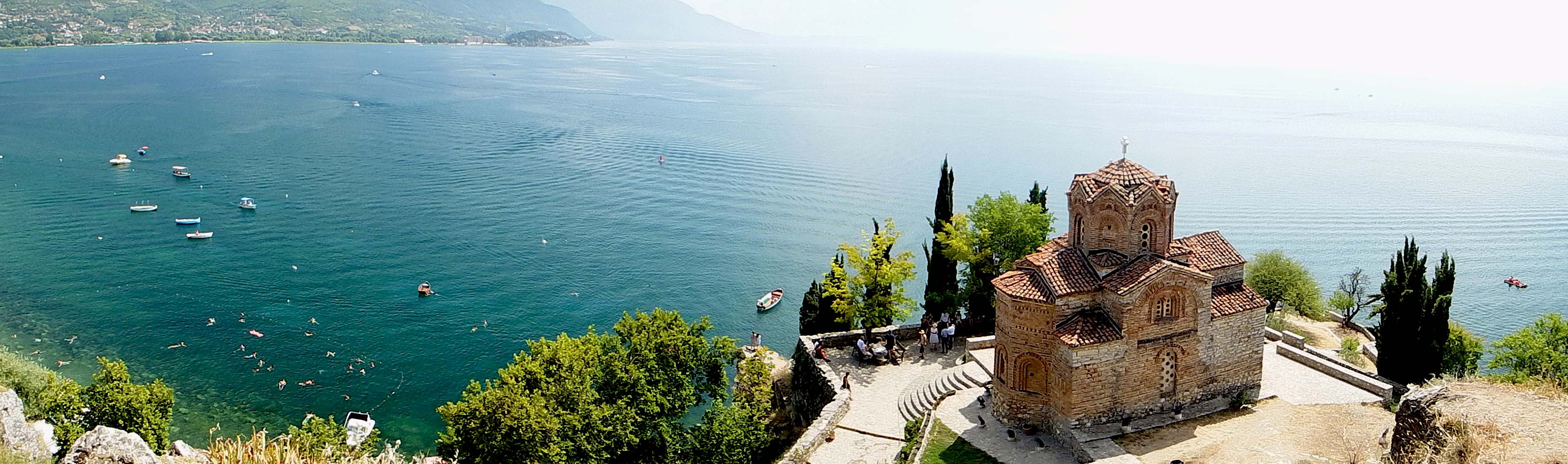
Metropol Lake Resort
Europe/Zurich timezone

Plasma Characterization and Matrix Effects in Hydrophilic Chia Seeds Studied by TEA CO2 Laser-Induced Breakdown Spectroscopy

Not scheduled
10m
Metropol Lake Resort

Metropol Lake Resort

Naselba Dolno Konjsko bb, 6000 Ohrid, N. Macedonia
E-poster Physical, structural chemistry, spectroscopy and electrochemistry

Speaker

Dr Dragan Ranković (VINCA Institute of Nuclear Sciences - National Institute of the Republic of Serbia, University of Belgrade, Mike Alasa 12-14, 11001 Belgrade, Serbia)

Description

Laser-induced breakdown spectroscopy (LIBS) was employed to investigate plasma characteristics and matrix-induced analytical effects in hydrophilic chia (Salvia hispanica L.) seeds. Owing to their gel-forming polysaccharide matrix, chia seeds represent a structurally complex material that can significantly influence plasma formation and emission stability. Pressed pellet samples were analyzed under optimized TEA CO2 laser conditions, while elemental concentrations were validated by inductively coupled plasma–optical emission spectrometry (ICP–OES). Quantitative calibration was performed for Ca, Fe, Zn, and Mg using analyte-to-internal standard intensity ratios, yielding high linearity with correlation coefficients (R2) of 0.989 (Ca), 0.991 (Fe), 0.997 (Zn), and 0.989 (Mg). In addition to the calibrated elements, emission lines of major constituents (P, K, Ca, Mg) and trace elements (Ba, Sr, Ti, Cu, Al, Si) were clearly detected. Plasma diagnostics revealed an electron temperature of ~ 10,000 K and an electron number density of ~ 4 × 1016 cm-3, confirming stable plasma conditions despite pronounced matrix effects. The obtained results are consistent with previously developed LIBS methodologies for plant-based matrices1 and further demonstrate that TEA CO2 LIBS provides reliable multielemental quantification in hydrophilic food materials.

Author

Dr Dragan Ranković (VINCA Institute of Nuclear Sciences - National Institute of the Republic of Serbia, University of Belgrade, Mike Alasa 12-14, 11001 Belgrade, Serbia)

Co-authors

Dr Aleksandr N. Chumakov (B. I. Stepanov Institute of Physics, National Academy of Sciences of Belarus, Nezalezhnasci Ave. 68-2, 220072 Minsk, Belarus) Dr Aleksandra Šajić (Faculty of Physical Chemistry, University of Belgrade, Studentski trg 12-16, 11000 Belgrade, Serbia) Dr Marjetka Savić (VINCA Institute of Nuclear Sciences - National Institute of the Republic of Serbia, University of Belgrade, Mike Alasa 12-14, 11001 Belgrade, Serbia) Dr Milovan Stoiljković (VINCA Institute of Nuclear Sciences - National Institute of the Republic of Serbia, University of Belgrade, Mike Alasa 12-14, 11001 Belgrade, Serbia) Dr Slađana Meseldžija (VINCA Institute of Nuclear Sciences - National Institute of the Republic of Serbia, University of Belgrade, Mike Alasa 12-14, 11001 Belgrade, Serbia) Dr Аndrija Savić (VINCA Institute of Nuclear Sciences - National Institute of the Republic of Serbia, University of Belgrade, Mike Alasa 12-14, 11001 Belgrade, Serbia)

Presentation materials

There are no materials yet.